Build a Reliable Memory with Spaced Repetition in Everyday Life

Explore Memory Systems in PKM: Applying Spaced Repetition to Everyday Learning, transforming scattered notes into durable knowledge that actually shows up when you need it. We will combine time-tested cognitive science, practical workflows, and humane habits to help you remember names, skills, ideas, and insights without cramming. Expect clear steps, relatable stories, and gentle prompts to engage, share, and shape a personal system that grows with your goals.

Why We Forget and How to Make Knowledge Stick
Forgetting is not failure; it is the brain’s efficiency protocol, trimming what seems unused. Understanding the Ebbinghaus forgetting curve explains why information vanishes quickly without deliberate reminders. By scheduling retrieval moments at widening intervals, you convert fragile traces into stable pathways. This approach reduces study time, improves confidence, and creates dependable recall under pressure, whether you are pitching, presenting, or remembering what matters at home.
The curve drops fast at first, then flattens, which means the earliest reviews deliver the biggest payoff. Translating this into daily life involves tiny check-ins just after learning, followed by spaced reinforcements that gradually stretch. When you build these nudges into your planning, even brief sessions preserve clarity, prevent panic, and keep important knowledge active without overwhelming your calendar or patience.
Re-reading feels productive, but retrieval practice builds memory. Close the book, hide your notes, and try to recall actively: definitions, steps, names, or connections. The small challenge signals importance and strengthens pathways. Pair this with feedback to correct errors immediately. A busy designer, for instance, can quiz themselves on color theory terms between meetings, steadily enhancing recall with almost no additional time investment.
Short, spaced sessions outperform long marathons. Interleaving different but related topics—like a language verb drill alongside a few algorithm flashcards—improves discrimination and transfer. Spacing widens intervals to solidify traces, while interleaving keeps attention sharp. Together, they fit fragmented days and real constraints, letting you learn meaningfully in commutes, queues, and coffee breaks without sacrificing depth or exhausting your motivation.

Designing a PKM Pipeline That Remembers for You
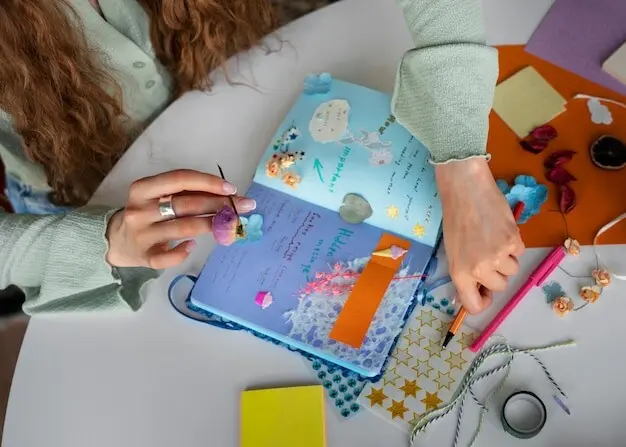
Capture to Clarify: From Highlights to Atomic Notes
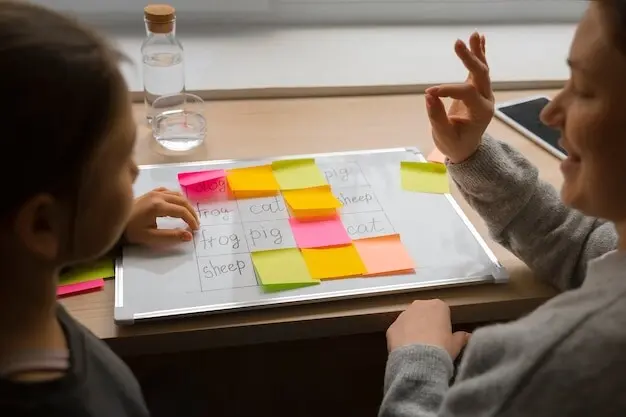
Capturing is easy; clarifying is the art. Convert messy highlights into atomic notes that express one idea clearly, in your own words, with a quick why-it-matters line. This single shift sets you up for powerful retrieval later. A short example, personal tag, or link to a project turns cold text into a living hook your future self can actually grip and use swiftly.

Linking That Actually Guides Retrieval

Links should guide recall, not create clutter. Connect notes by cause, contrast, or application, not merely by keyword. When you revisit a prompt, contextual links help your brain rebuild the original scene. A concept like cognitive load can link to UI decisions, teaching tips, and pitch structure, so one review session unfolds into practical ideas ready to deploy in real conversations and tasks.

From Notes to Cards: Crafting Prompts with Purpose

Turn distilled notes into precise prompts that test understanding, not trivia. Ask, what would future me need to recall quickly? Create a question-answer pair or cloze deletion that reveals the core insight. Add a brief example for grounding, and tag with project relevance. This ensures reviews are short, focused, and immediately valuable, keeping motivation high because every card earns its keep.

Writing High-Quality Prompts and Flashcards

Habit Systems and Review Schedules You’ll Actually Keep

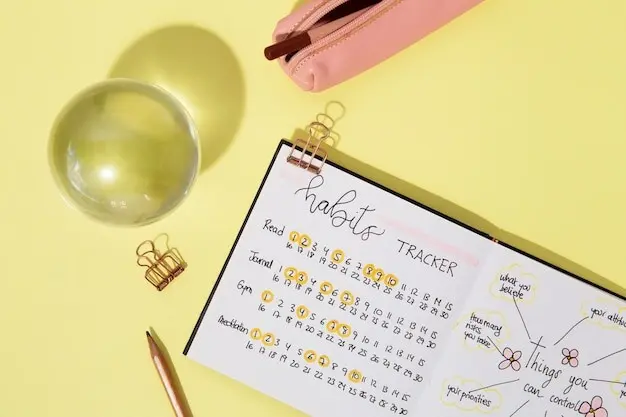
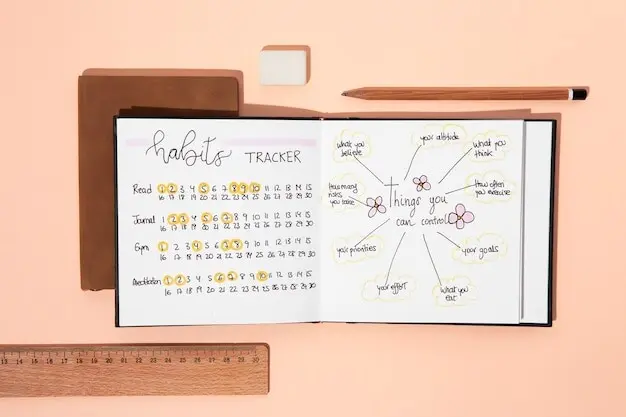
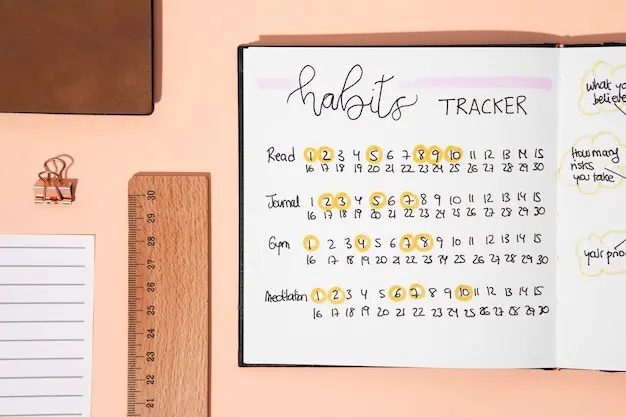
Consistency beats intensity. Build a small, nearly unskippable ritual that fits mornings, commutes, or wind-down time. Use gentle cues, low-friction tools, and a predefined review limit to prevent burnout. Protect this daily cadence like a tiny meeting with your future competence. When life gets hectic, shrink the session, not the streak. Stability compounds, quietly turning scattered efforts into a dependable reservoir of recall.

Real-World Applications Across Work and Home

Names, Faces, and Social Details

Turn introductions into memorable anchors using visual hooks, a quick fact, and immediate retrieval. After meeting Alex, tag a card with hair color, workplace, and the playful image that links their name. Review that evening and a few days later. The next encounter becomes effortless connection. Trust grows when people feel seen. Invite readers to share their favorite name hooks and playful memory tricks.

Skills, Procedures, and On-the-Job Knowledge

Convert SOPs and tricky procedures into stepwise prompts with common pitfalls and quick checks. Add screenshots or mnemonics where timing matters. Review before a shift or critical meeting to prime precision under stress. Over time, integrations feel automatic, freeing attention for judgment and creativity. Teams that share decks institutionalize wisdom, reduce errors, and onboard faster. Invite colleagues to contribute cards capturing hard-won lessons kindly.

Languages, Facts, and Creative Sparks

Mix vocabulary with tiny example sentences, audio snippets, and situational prompts to build usable language, not just lists. For general knowledge, prefer questions that explain why, not only what. Artists can store constraints, riffs, or prompts to ignite sessions quickly. Share your favorite deck tags or five-card warmups with the community. Your system should feel like a launchpad that respects curiosity and time.

Measure, Reflect, and Adapt Your System

A good memory system breathes. Track review time, ease ratings, and lapse rates lightly, then adjust intervals, card style, or volume. Archive outdated material without guilt. Regular reflection prevents bloat and restores energy. Treat improvements like product iterations: small bets, quick feedback, and honest notes. Share what you change and why, inviting discussion that helps everyone refine approaches while honoring different goals and constraints.
Kirakarolento
Privacy Overview

This website uses cookies so that we can provide you with the best user experience possible. Cookie information is stored in your browser and performs functions such as recognising you when you return to our website and helping our team to understand which sections of the website you find most interesting and useful.