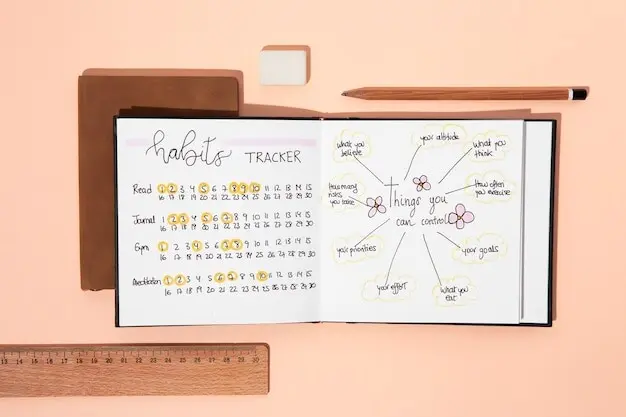
Turn Your Notes into a Living, Searchable Network
Today we explore organizing personal notes with tags, folders, and bidirectional links, turning scattered thoughts into a resilient system that surfaces connections when you need them most. Expect practical tactics, gentle guardrails, and stories from real workflows. Share your favorite tricks in a reply, and subscribe to keep building momentum together.

Foundations for Clarity and Calm

Capture Without Friction

Speed matters more than polish at the moment of capture. Use a single inbox note or folder where every idea, quote, and task lands instantly, even from mobile. Later, refine with a tag, a brief summary, and one meaningful link that future you will immediately recognize.

Names That Age Gracefully

Title notes to outlast shifting projects by describing enduring concepts instead of temporary outcomes. Prefer nouns and clear context over cleverness. When Maya returned to a six‑month‑old research note, the descriptive title and a single link instantly reactivated her memory, saving hours of reorientation.

A Minimum Viable Structure

Start with just one inbox, one active work folder, and one archive. Add two or three high‑level tags you will actually use. Avoid premature complexity. When patterns emerge naturally, introduce the next structural layer intentionally, informed by real friction rather than imagined needs.

Design a Controlled Vocabulary

Pick a small set of canonical tags that match your work and interests, like research, draft, decision, or reference. Document definitions in a single index note. If a new tag appears twice, standardize it; if not, fold it into an existing category for clarity.

Reduce Noise with Gentle Rituals

Once a week, open your tag list and merge near‑duplicates, like readinglist and to‑read. Replace ambiguous labels with specific, well‑defined options. This tiny habit pays dividends by shrinking search results, improving recommendations, and making serendipitous discoveries genuinely useful instead of overwhelming.

Context vs Content

Separate content tags that describe what a note contains from context tags that describe how you’ll use it. For example, leadership and negotiation describe content, while next, idea, or draft describe context. This distinction keeps queries precise and quickly reveals actionable next steps.

Folders with Purpose, Not Paralysis

Use folders sparingly to represent durable boundaries like projects, areas, and archives. Keep depth shallow and names human. Let tags and links handle nuance. A lean folder map reduces decision fatigue, while flexible metadata captures the evolving shape of your work without constant restructuring.

01

The Three-Layer Map

Adopt a simple hierarchy: Projects for short‑term outcomes, Areas for ongoing responsibilities, and Archive for closed loops. Avoid nesting beyond one or two levels. This keeps sync fast, mobile browsing easy, and your mental load light when deadlines already demand attention.

02

When PARA Meets Reality

Adapt PARA to your world. If you write, add Manuscripts; if you code, keep Repos; if you teach, maintain Courses. The principle stays: folders define commitment, not content. Let tags and links annotate the specifics that shift daily without breaking your structure.

03

Onboarding Existing Notes

Resist the urge to reorganize everything at once. Move only active items to Projects or Areas. Sweep the rest into a dated Archive and tag a handful of high‑value seeds. As you revisit old materials, file them naturally, guided by current relevance, not nostalgia.

Bidirectional Links: Seeing Patterns Emerge

Bidirectional links turn isolated pages into conversations. A single link creates a backlink in the destination, revealing context you didn’t know you had. Over time, clusters form into insights. This is how scattered highlights become drafts, and drafts become enduring, interconnected understanding.

Search and Retrieval That Feel Instant

Powerful search grows from consistent patterns. Combine tags, folders, and links to filter aggressively. Save common queries, standardize prefixes, and keep titles predictable. The goal isn’t memorization; it’s making your future self feel guided, supported, and two clicks away from any answer.

Five Minutes Daily

Each evening, rename one ambiguous note, add two clarifying links, and archive something you no longer need. This tiny cadence compounds quickly. You’ll notice less hesitation tomorrow, more confidence next week, and remarkable ease when deadlines arrive without mercy.

A Weekly Linking Walk

Choose a topic and follow backlinks for fifteen minutes, adding summaries where needed. Capture emerging questions at the top of pages. Many readers report surprising breakthroughs here: scattered highlights quietly assemble into outlines, and outlines mature into surprisingly coherent drafts.

Quarterly Refactor, Not Reinvention

Every quarter, review your folder map, top tags, and evergreen notes. Merge, rename, and archive lightly. Keep what works, trim only what hurts. Share what you learned with a comment or email, and subscribe for upcoming deep dives and practical checklists.
Kirakarolento
Privacy Overview

This website uses cookies so that we can provide you with the best user experience possible. Cookie information is stored in your browser and performs functions such as recognising you when you return to our website and helping our team to understand which sections of the website you find most interesting and useful.